


Skip to content

International Spring School on Urban Digital Twins

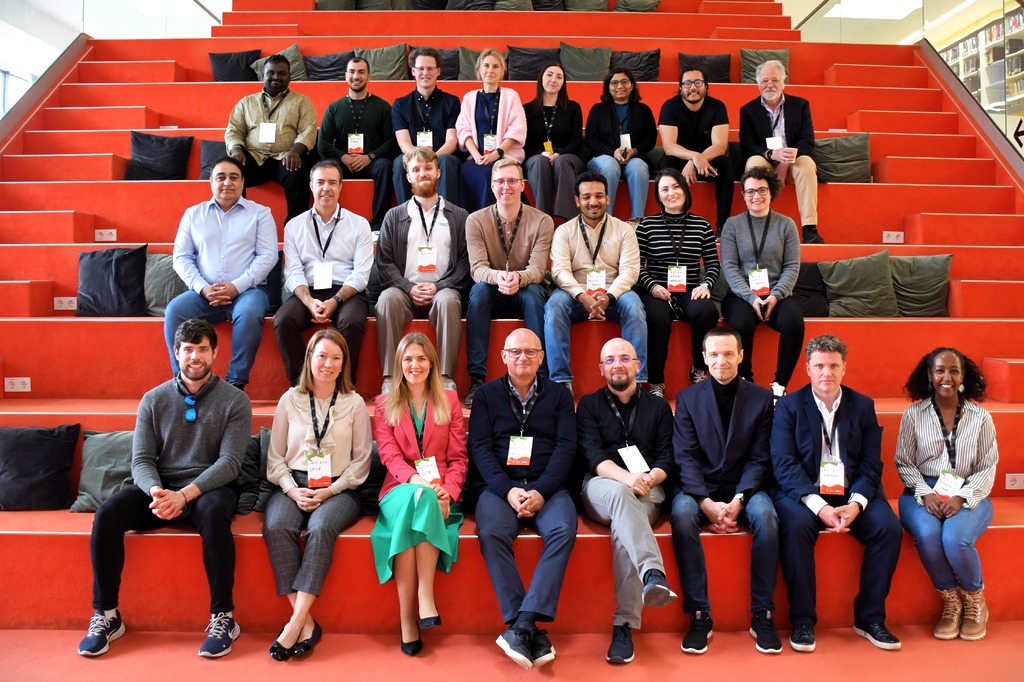
Join us in London, UK, for the second edition of this international school – open for PhD students, researchers, companies’ representatives, wishing to explore, learn, and innovate with cutting-edge digital twin technologies.

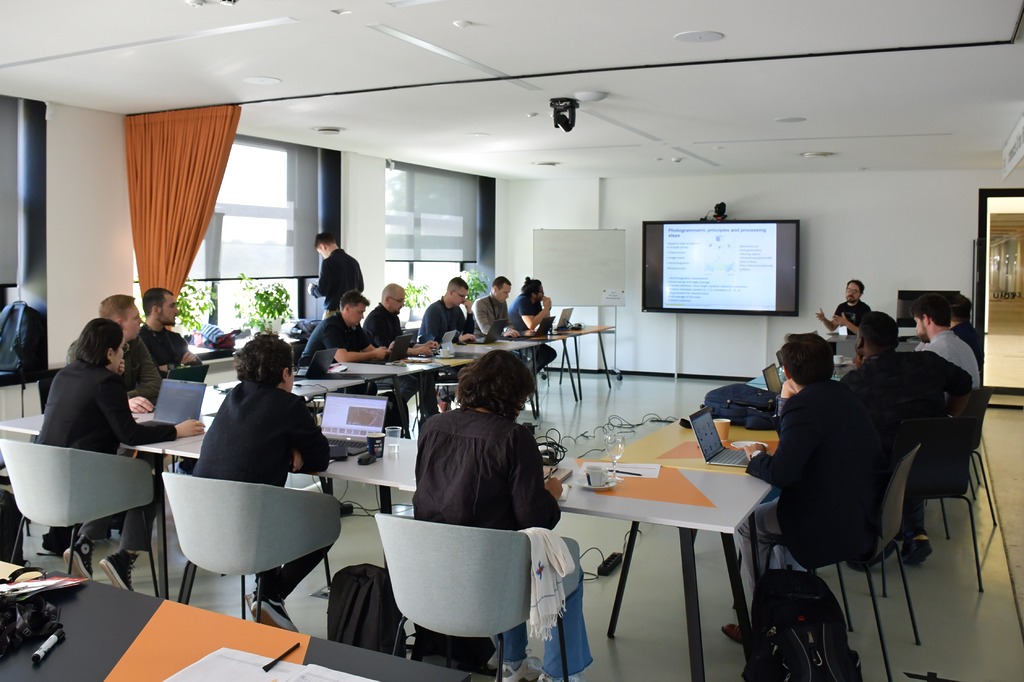
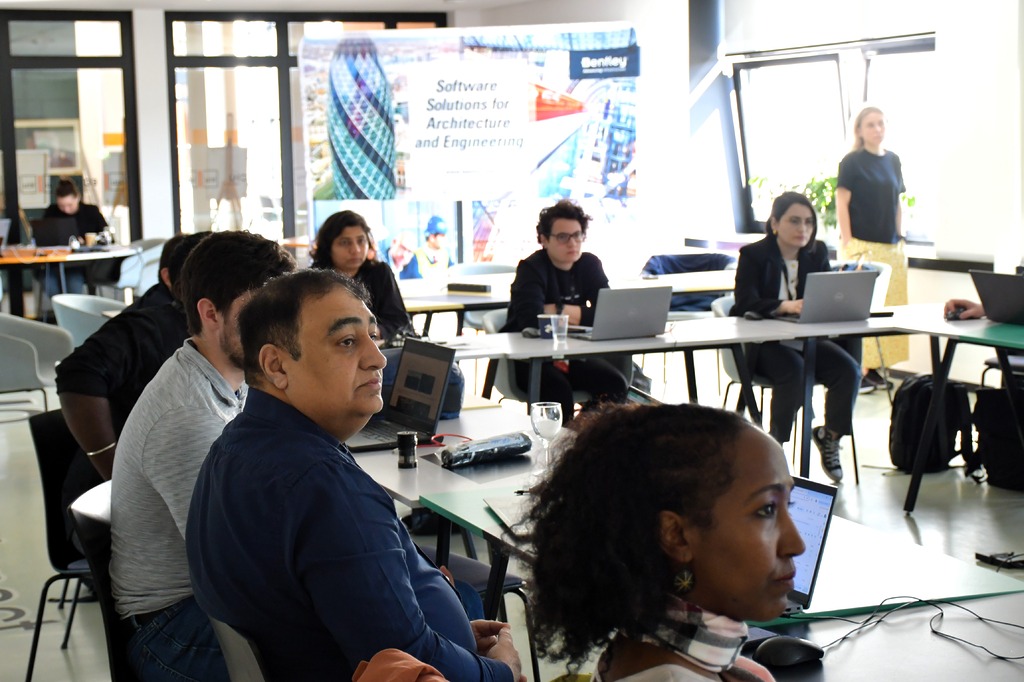
It will challenge participants to think critically and creatively about the security, resilience, and futureproofing of urban infrastructure. The program integrates keynote sessions, demonstrations, fundamentals and practical sessions with state-of-the-art technologies, providing participants with the abilities to add novel dimension to their research – digital twin alignment.

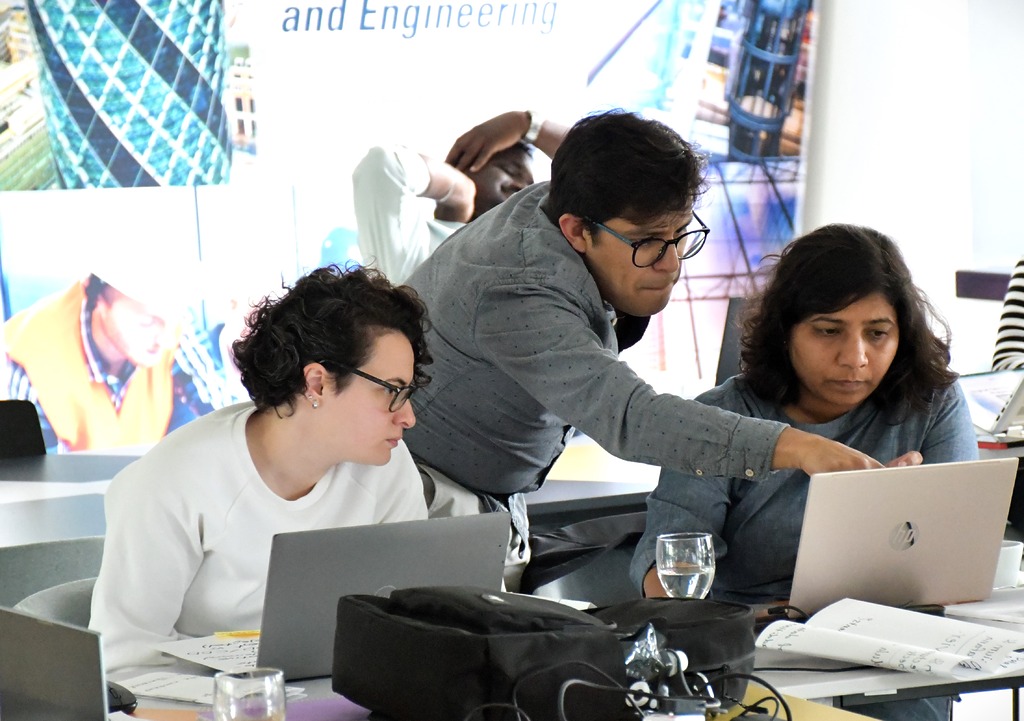
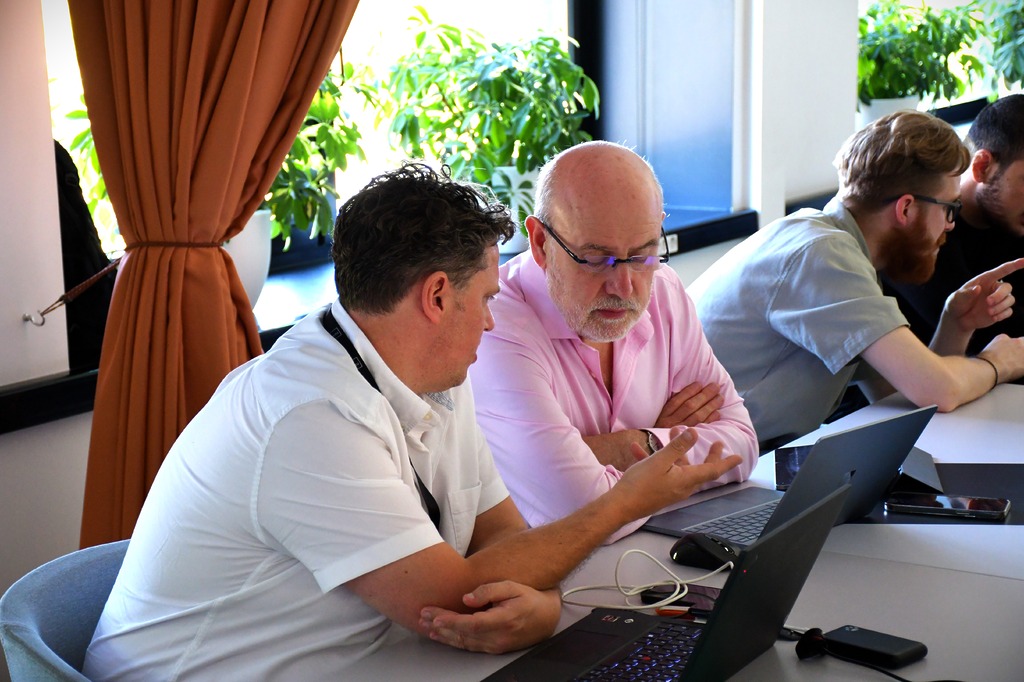
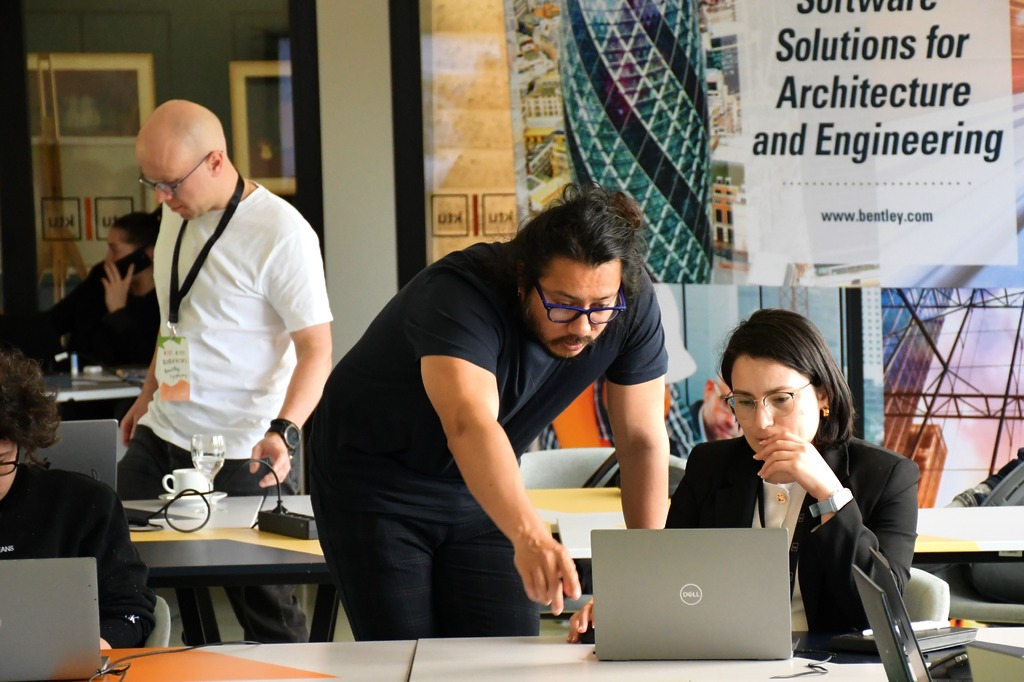
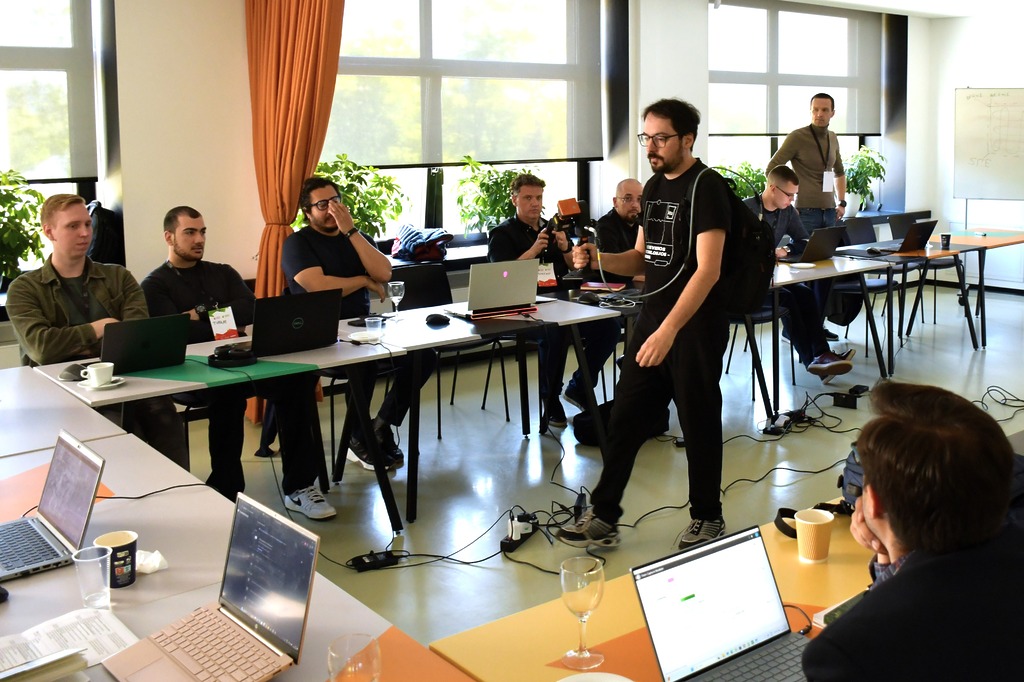
Practical sessions will include collaborative project-based learning, prototype development and discussions.

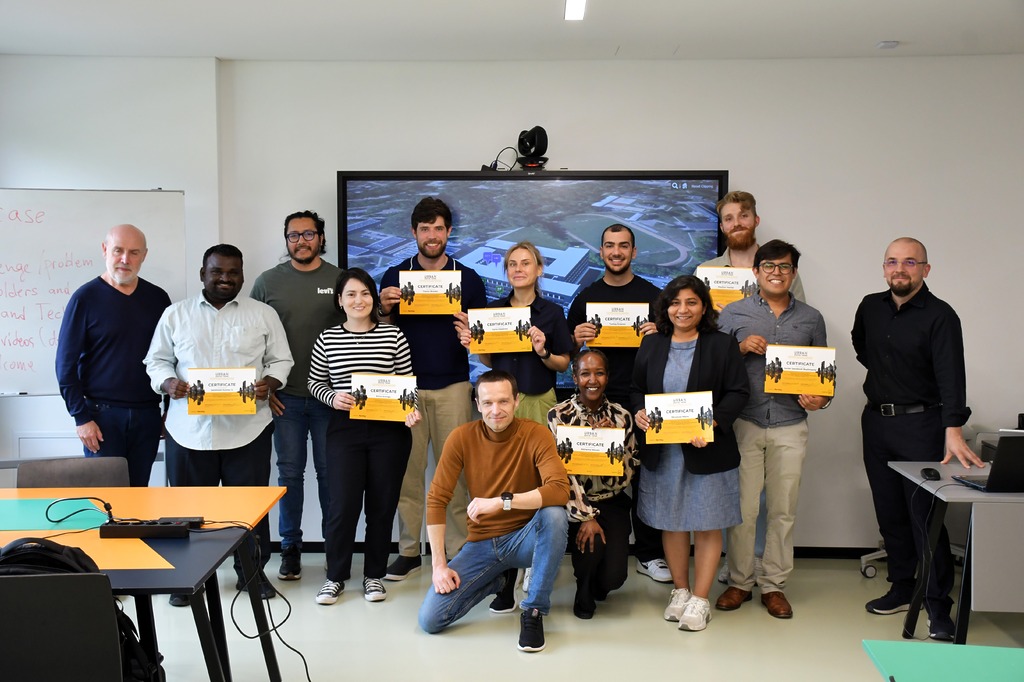
All participants, including PhD students, researchers, and company representatives, will receive a certificate of completion.

Organized by Kaunas University of Technology (KTU), this year’s Spring School will partner with University College London (UCL) and the University of Glasgow, bringing keynote talks and mentoring from leading researchers.

All you need to know

Explore how digital twins contribute to more resilient and data-driven cities

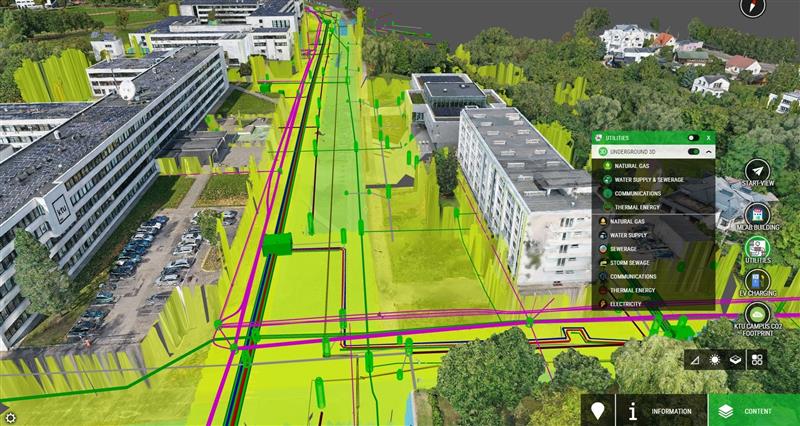
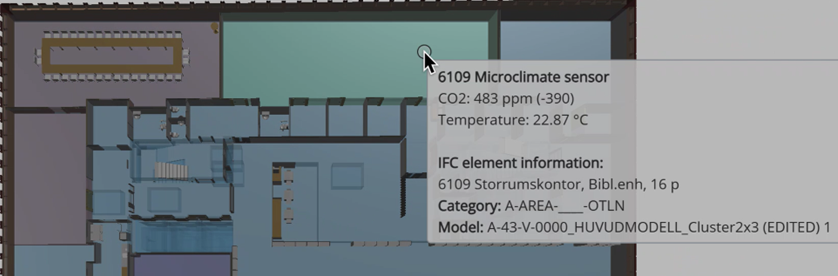
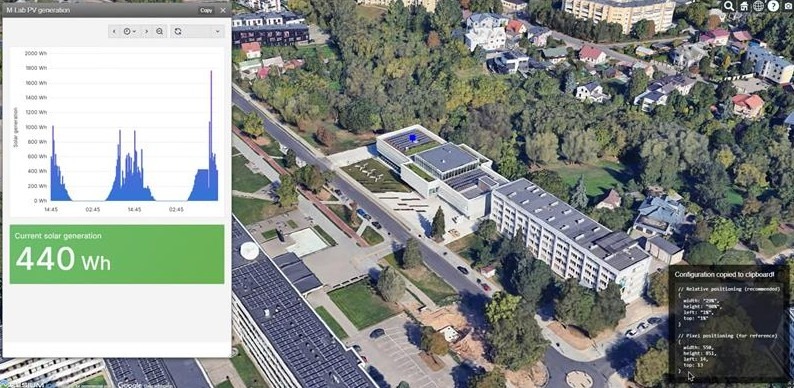
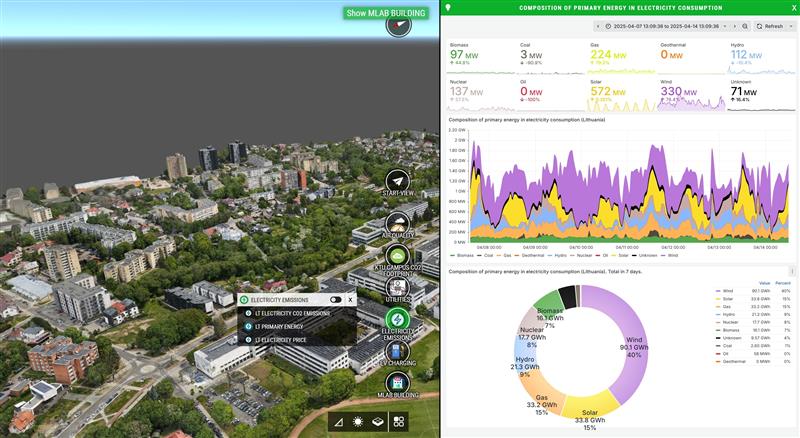
  • Gain insights into how digital twin technology is reshaping industries and research. By integrating this innovative approach, you can enhance the impact and relevance of your work. It will help you rethink how you collect and visualize data, and how you engage with end users. Digital twin technologies can be applied at various levels of detail, depending on the goals and scale of your project.

Gain practical experience by building your own digital twin

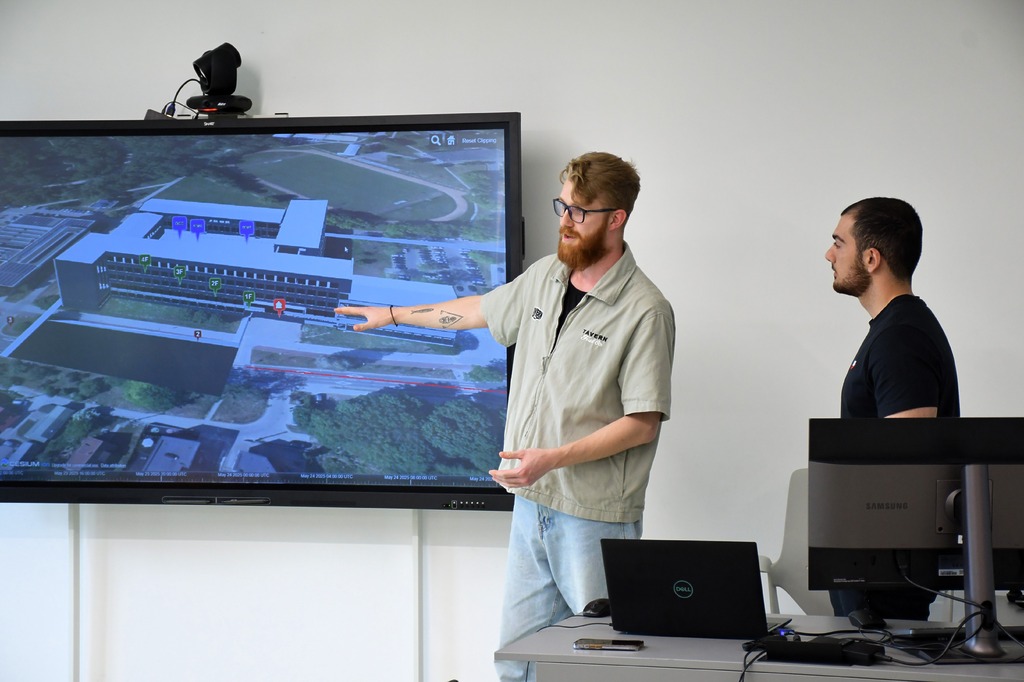
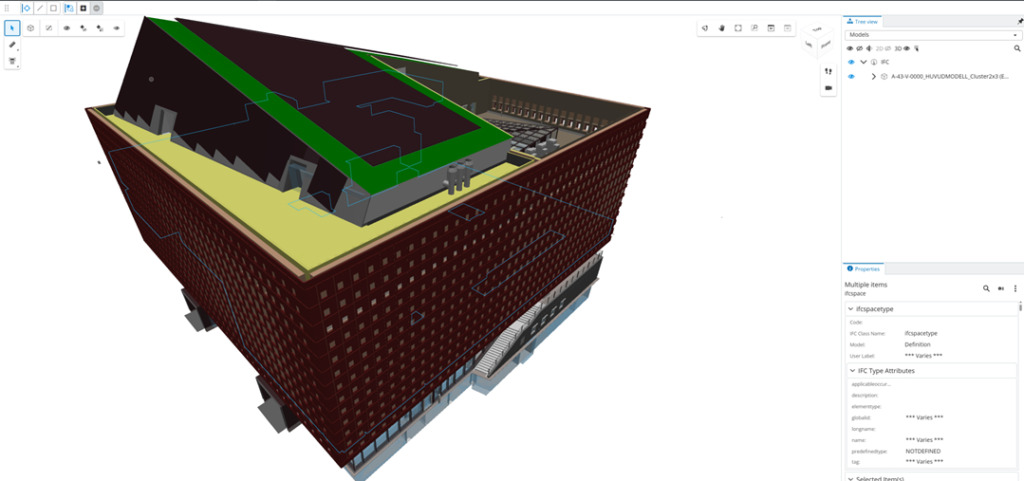
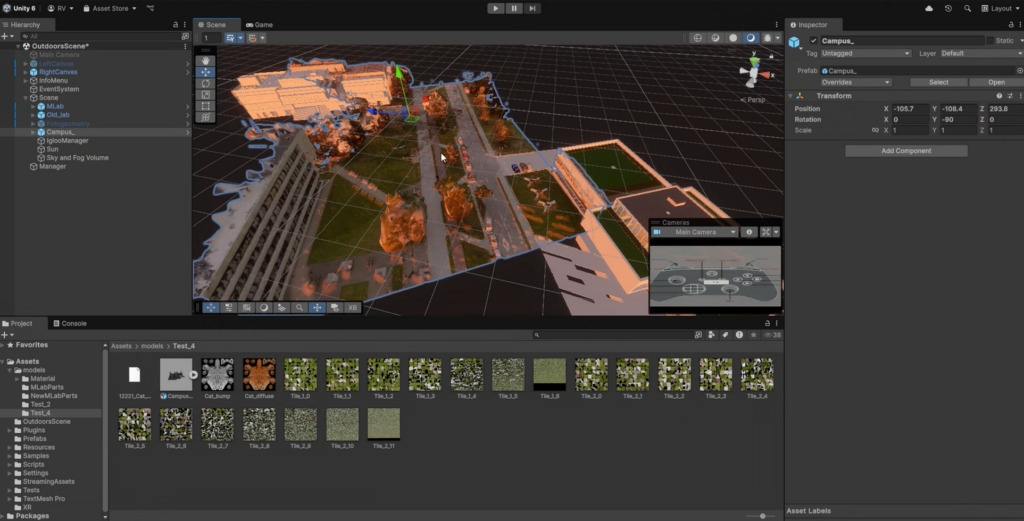
  • Learn to use state-of-the-art tools such as Cesium and iTwin, and apply them in a real project context. Throughout the training, you’ll have the flexibility to integrate other technologies you already know or are eager to explore, allowing you to tailor the process to your specific research or professional interests.

Turn ideas into working solutions

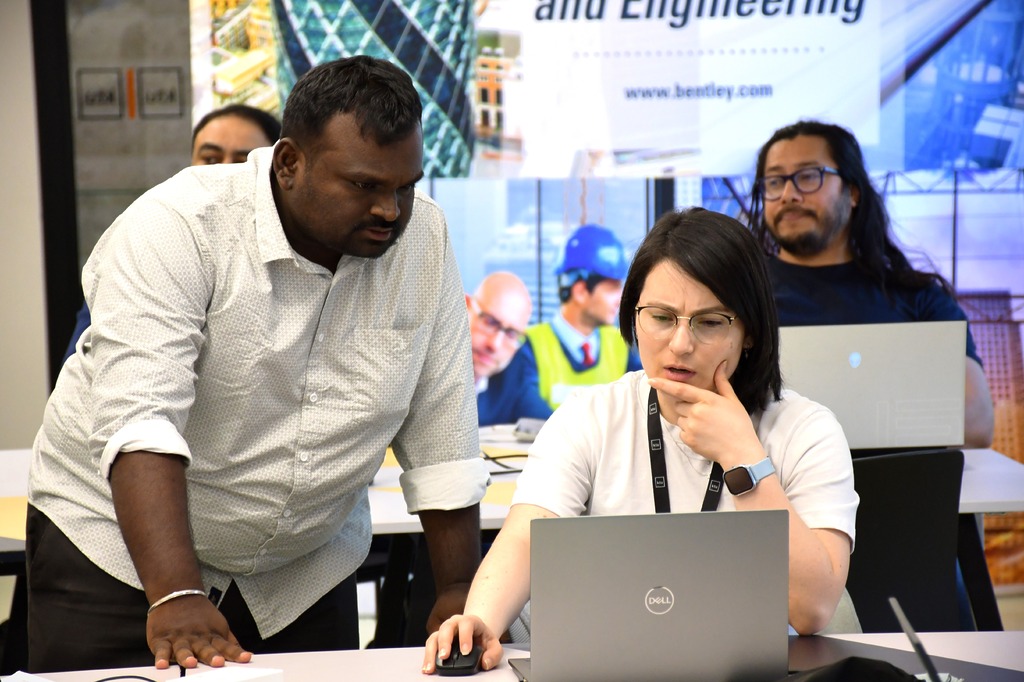
  • Through project-based, hands-on sessions, you’ll work in teams to develop and test a prototype. This collaborative process will strengthen both your technical expertise and your ability to translate ideas into tangible results.

Agenda

9:00 Opening and Welcome

9:10 Keynote:
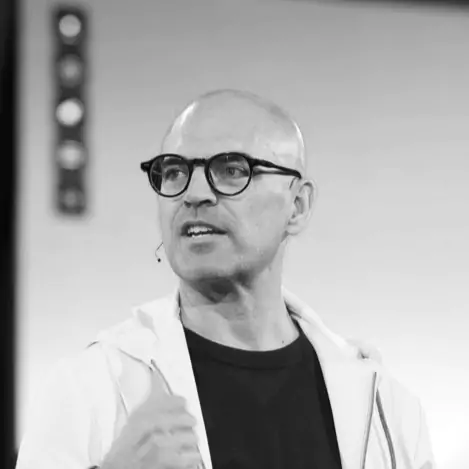
Technology Innovations Driving Next-Generation Digital Twins

Greg Demchak

Explore the major innovations redefining digital twin development – including AI, IoT, real-time simulation, and “vibe coding” – alongside the growing democratization of development through open-source ecosystems and accessible APIs that are lowering barriers and accelerating adoption across industries.

Speaker: Greg Demchak, VP of Emerging Technologies, Bentley Systems

10:00 Keynote:
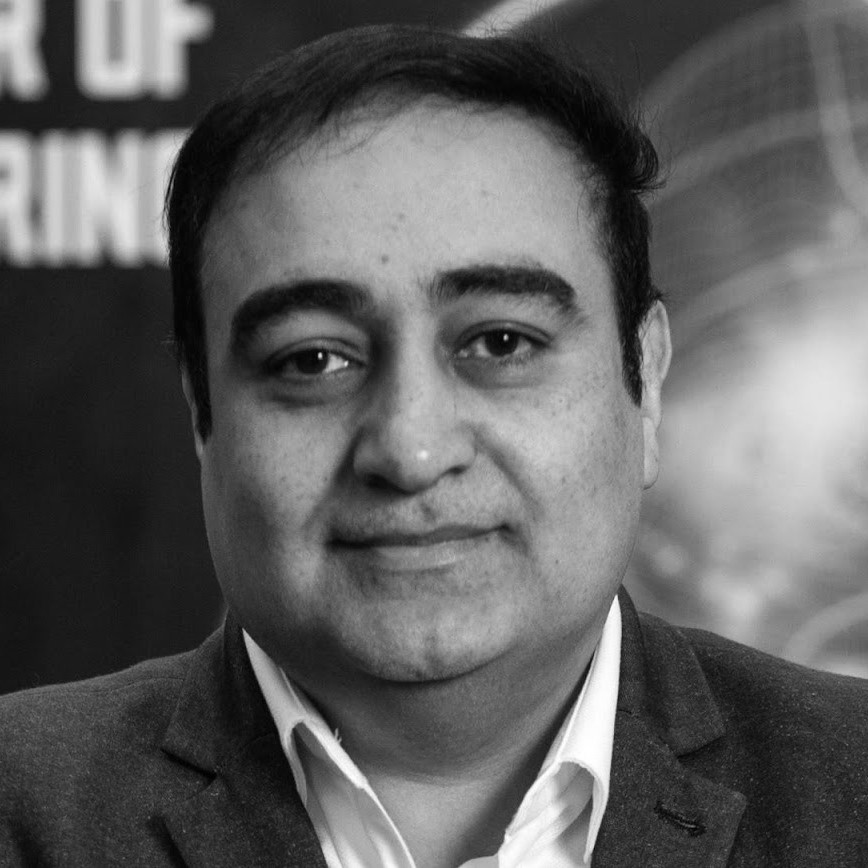
Applied Research in Space-Based Digital Twins for Enhanced Building and Infrastructure Performance

Nicola-Moretti-1-blackwhite

Discover how UCL’s applied research in digital construction is leveraging space-based digital twins to transform building and infrastructure operations through smarter data integration, performance optimisation, and resilient asset management.

Speaker: Dr. Nicola Moretti, Lecturer in Digital Construction Management, University College London

11:00 Keynote:
Digital Twins as Enablers for Transport Decarbonisation – TransiT project case

Daniel Mitchell

Learn how digital twin technologies can contribute towards the major technological shift in UK transport system.

Speaker: Daniel Mitchell, Research associate, University of Glasgow

12:00 Technical Introduction:
Understanding Digital Twins Workflows

Darius

A hands-on demonstration showcasing the capabilities of Cesium, iTwin Capture, and iTwin Experience for real-time infrastructure management and advanced visualization. Introduction to the workflow to be used during the spring school.

Speaker: Prof. Darius Pupeikis, Head of Centre for Smart Cities and Infrastructure, KTU

14:00 Technical Introduction:
From Code to Twin: Implementing Vibe Coding in Infrastructure Digital Twin Platforms

Daniel Wikstrom Pujante
Johannes Renner

Learn how to implement vibe coding techniques to power real-time infrastructure digital twins, integrating live data, geometry, and platform services within iTwin environments. This session walks participants through practical workflows for turning code into fully operational DT systems.

Speakers:

Daniel Wikstrom Pujante, Senior Software Engineer, Bentley Systems

Johannes Renner, Digital Twin Specialist, Solution Architect, Bentley Systems

15:00 Groupwork:
First Ideation and Feedback Session

Andrius Jurelionis (2)

Teams formation, defining the goals for the week, developing use cases that align with the Spring School’s focus and alignment with individual research interests.

Moderator: Prof. Andrius Jurelionis, Dean of the Faculty of Civil Engineering and Architecture, KTU

17:30
Social dinner

Preparation Tips for Participants:
We encourage participants to prepare by reviewing relevant materials and familiarizing themselves with digital twin platforms like iTwin and Cesium. Additional guidance – if needed – will be provided ahead of the Spring School.

Organizers

FCEA400x200
logo[1]
CSCI

Partners

UCL
UG
Staticus 200x100
YIT 200x100
INHUS 200x100
KT200x100
Civinity logo